Conversion in progress ...
Please wait while we generate your PDF
How To Buy a Home on Florida’s Treasure Coast
Buying a home on Florida's Treasure Coast involves a lot more than scrolling through listings and booking a few showings. The buyers who end up with the right home on the best terms treat the whole thing as a connected process, and that process starts well before they ever set foot in a property. Financing, criteria, search strategy, offer strategy, due diligence, and closing are all links in the same chain, and how you handle one stage directly shapes your options in the next.
What makes the Treasure Coast tricky is that it isn't one uniform market. Conditions shift by city, neighborhood, price point, waterfront access, HOA structure, and even the time of year. Port St. Lucie is currently described by Realtor.com as a balanced market, with homes selling around 2.16% below asking and a median 65 days on market as of May 2026. Meanwhile, Redfin reports Stuart homes taking roughly 93 days to sell on median, and Palm City sitting at a median sale price near $512,000. Those are very different buying environments, and they call for different strategies.
Preparation, speed, and local guidance can all affect which homes you're able to compete for and what terms you can lock in. A buyer who understands the full sequence up front avoids delays, cuts down on stress, and makes decisions with more confidence. The sections below break down what matters most so you can move through each stage knowing exactly what comes next.
Important Things To Know
- Pre-approval is not optional if you want to compete well. Sellers and listing agents take financed buyers more seriously once a lender has reviewed the numbers. Florida Realtors notes pre-approval is based on verified financial information, making it stronger than pre-qualification. It also sets a realistic price range once taxes, insurance, and HOA fees are factored in.
- Not every good opportunity shows up on the major search sites. Agent networks, off-market conversations, coming-soon listings, stale or expired listings, builder inventory, and distressed properties can all surface homes with less competition. Redfin has highlighted the growing value of stale listings, which often signal room to negotiate rather than a bad property.
- Clarity beats emotion when evaluating properties. Separate your true must-haves from nice-to-haves and dream features before you tour anything. Buyers without clear criteria tend to waste time, second-guess themselves, or overpay for things they don't actually need. A simple non-negotiables rule keeps cosmetic appeal from clouding real judgment.
- Offer strength is about more than price. Closing timeline, financing type, inspection terms, escrow deposit, and how clean the offer is can all sway a seller. In balanced Treasure Coast markets, a well-structured offer that gives the seller certainty can beat a higher but messier one that feels risky.
- A local buyer's agent reduces friction and risk. A knowledgeable Treasure Coast agent reads neighborhood differences, flags hidden costs like flood or HOA exposure, guides pricing, and keeps deadlines on track. NAR reports 88% of buyers purchased through an agent or broker, so this is a practical advantage, not a luxury.
Buying on the Treasure Coast is far easier to manage when you treat it as a step-by-step process instead of a reactive search. Strong outcomes come from the same handful of habits every time — early preparation, clear criteria, broad search methods that go beyond public portals, fast but informed action when the right home appears, and disciplined negotiation that doesn't get emotional.
You can also head off a lot of avoidable risk by understanding inspections, financing, title work, insurance, and closing before those stages actually arrive. On coastal Florida especially, insurance and flood exposure can change the real cost of ownership more than any granite countertop ever will, so it pays to get those answers early. Florida Realtors consistently urge buyers to look at full housing costs rather than fixating on list price or interest rate alone.
Lean on experienced local guidance to interpret the market, uncover better opportunities, and steer you around mistakes that are expensive or hard to reverse. With the right preparation and the right people in your corner, you can move through the Treasure Coast home purchase with real clarity and control — knowing what each stage requires and feeling confident about the decisions you make along the way.
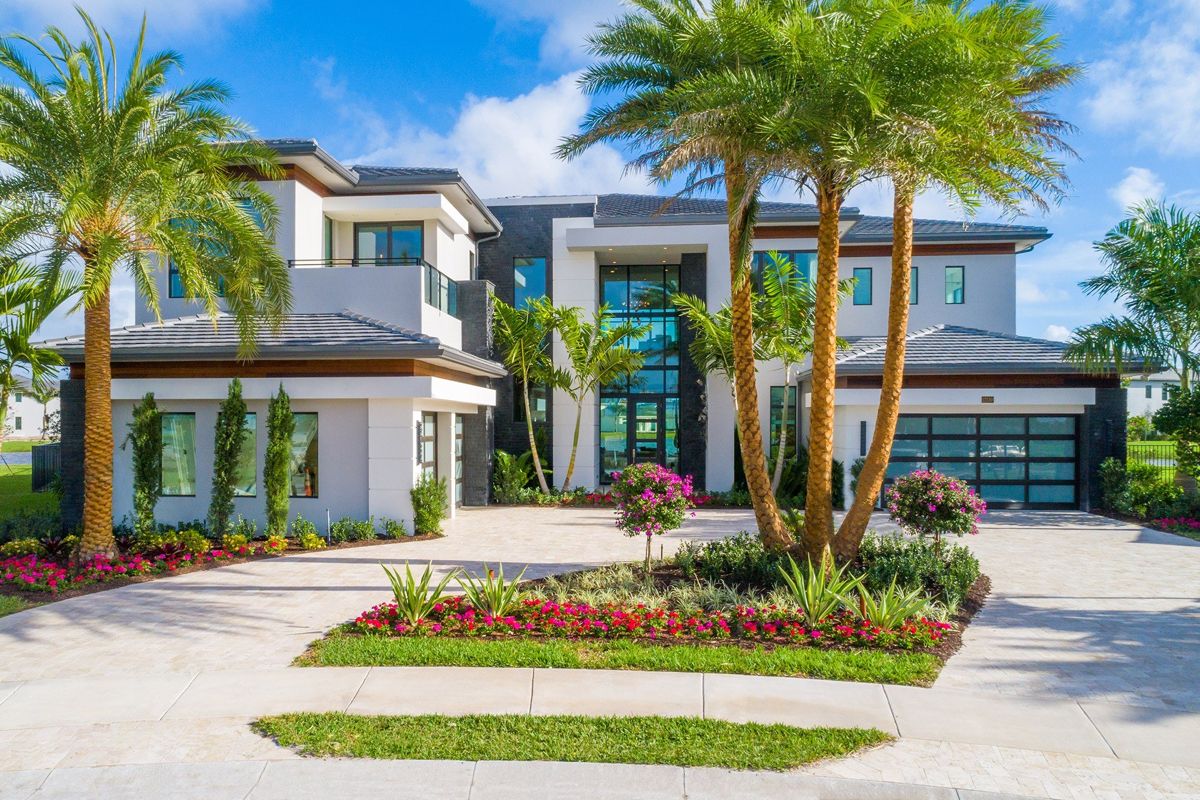
Steps to Successfully Buy a Home on Florida's Treasure Coast
Final Thoughts
Buying a home on the Treasure Coast requires more than browsing listings and making an offer. The region spans Martin, St. Lucie, and Indian River counties, each with distinct pricing patterns, insurance considerations, and neighborhood dynamics. A successful purchase depends on understanding your true budget before you start looking, securing financing that reflects Florida's unique costs, identifying the right communities for your lifestyle, and moving through each transaction milestone with clarity and confidence. This step-by-step approach helps you avoid common pitfalls while positioning yourself to compete effectively in markets ranging from Port St. Lucie's balanced conditions to Stuart's more varied inventory and Palm City's family-oriented neighborhoods.
Step 1: Define Your Budget Before Looking at Homes
Start by reviewing your income, savings, recurring debts, and monthly spending to determine what payment feels sustainable, not just what a lender may approve. Many buyers focus on the maximum loan amount they qualify for, but that number often ignores the full picture of what homeownership costs in coastal Florida. Your monthly housing expense should include principal, interest, property taxes, homeowners insurance, flood insurance if applicable, HOA or condo fees, utilities, and a maintenance reserve. On the Treasure Coast, insurance alone can vary dramatically based on roof age, proximity to water, and storm protection features. A home priced at $400,000 might carry $500 per month in insurance and taxes in one neighborhood and $800 in another, completely changing affordability.
Decide how much cash you want reserved after closing for repairs, moving costs, furnishings, and emergencies. According to NAR's 2025 Profile of Home Buyers and Sellers, the median down payment for first-time buyers reached 10%, the highest since 1989, with 59% using personal savings and 22% receiving gifts or loans from relatives or friends. However, you don't necessarily need 20% down. FHA loans allow as little as 3.5% down, while Fannie Mae's HomeReady and Freddie Mac's Home Possible programs permit 3% down for eligible borrowers. Florida Housing also offers assistance programs such as Hometown Heroes, which provides up to 5% of the first mortgage amount (maximum $35,000, minimum $10,000) in down payment and closing cost assistance for eligible first-time, income-qualified workforce buyers. These programs can reduce upfront burden, but funding commits quickly, so check availability early rather than assuming funds will be there later.
Set a maximum purchase price and a preferred comfort range so you know when a home fits financially. Run a "payment stress test" by calculating your monthly cost under three scenarios - normal homeowners insurance, higher wind and flood insurance, and HOA dues increasing by 10-15%. This exercise is especially important in coastal and condo-heavy areas where carrying costs can shift significantly. Your comfort range should account for the reality that property taxes, insurance premiums, and HOA fees can all increase over time. When you establish these boundaries before viewing homes, you protect yourself from falling in love with a property that stretches your finances beyond what's sustainable.
Budget Planning Checklist:
- Calculate your total monthly housing cost including principal, interest, property taxes, homeowners insurance, flood insurance if needed, HOA or condo fees, utilities, and maintenance reserves
- Determine your down payment amount and confirm whether you qualify for assistance programs through Florida Housing or other sources
- Set aside cash reserves for closing costs (typically 2-5% of purchase price according to the Consumer Financial Protection Bureau), moving expenses, immediate repairs, and emergencies
- Establish both a maximum purchase price and a preferred comfort range that leaves room for unexpected expenses
- Run payment scenarios with different insurance levels to understand how property-specific factors affect affordability
- Review your debt-to-income ratio to ensure you can comfortably handle the payment alongside existing obligations
Step 2: Get Pre-Approved with a Trusted Lender
Gather key documents such as pay stubs, tax returns, W-2s or 1099s, bank statements, ID, and records of major assets or debts before contacting lenders. Get pre-approved is based on verified financial information and carries more weight than pre-qualification when making an offer. Florida Realtors notes that pre-approval demonstrates you're a serious buyer who has already cleared initial underwriting hurdles, which matters when sellers are comparing multiple offers. Your documentation package should be complete and current because lenders will verify everything during underwriting, and discrepancies or missing information can delay closing or jeopardize your approval.
Compare lenders based on responsiveness, local reputation, loan options, rate structure, fees, and closing reliability. Not all lenders understand Florida-specific challenges such as insurance underwriting for older roofs, flood-zone properties, or condo approval requirements. Ask potential lenders how many Treasure Coast transactions they've closed in the past year and whether they have experience coordinating with Florida Housing programs if you're seeking assistance. A lender who knows the market can quote realistic insurance assumptions, anticipate potential appraisal issues, and close on time even when complications arise. Local mortgage professionals often have established relationships with title companies, insurance agents, and appraisers, which can smooth the process considerably.
Ask the lender to explain your estimated down payment, closing costs, monthly payment, and cash-to-close requirements in detail. Request a breakdown that includes principal, interest, taxes, insurance, and any HOA dues so you understand the full monthly obligation. Many buyers are surprised by closing costs, which the Consumer Financial Protection Bureau estimates at 2-5% of the purchase price, or by how much insurance adds to the payment. Get a second estimate for a higher-risk property such as one requiring flood insurance so you're prepared if you fall in love with a waterfront home. Request a written pre-approval letter and confirm how quickly the lender can update it for specific offer amounts. In balanced markets like Port St. Lucie, where homes sold for about 2.16% below asking price on average in May 2026, speed matters less than in frenzied conditions, but you still want a lender who can turn around an updated letter within hours when you're ready to make an offer.
Avoid opening new credit accounts, financing large purchases, or making unexplained bank deposits during the home search. Lenders pull credit multiple times during the process, and changes to your financial profile can derail approval even after you're under contract. A new car loan, a financed furniture purchase, or even a hard credit inquiry for a new credit card can shift your debt-to-income ratio enough to affect your loan terms or eligibility. Keep your financial life stable from pre-approval through closing, and consult your lender before making any major financial moves during this period.
Lender Selection and Pre-Approval Process:
- Compile a complete documentation package including recent pay stubs, two years of tax returns, W-2s or 1099s, bank statements for all accounts, government-issued ID, and records of assets, debts, and any gift funds
- Interview at least three lenders and ask about their experience with Treasure Coast properties, typical closing timelines, and ability to handle properties with insurance or flood challenges
- Request detailed payment estimates that include principal, interest, property taxes, homeowners insurance, flood insurance if applicable, and HOA dues
- Ask for two scenarios - one for a standard property and one for a higher-risk property requiring additional insurance coverage
- Confirm the lender's process for updating pre-approval letters quickly when you're ready to make an offer
- Understand all fees including origination charges, points, appraisal costs, and any lender-required services
- Maintain financial stability by avoiding new credit applications, large purchases, job changes, or unexplained deposits until after closing
Step 3: Identify Your Treasure Coast Target Areas
Narrow your search by county and city, such as Stuart, Palm City, Jensen Beach, Port St. Lucie, Fort Pierce, Vero Beach, or nearby communities. Each area has distinct characteristics that affect pricing, lifestyle, and long-term value. Port St. Lucie offers a larger housing stock with more active listings and balanced market conditions, making it attractive for buyers seeking newer single-family homes at lower entry points than Martin County coastal markets. The median listing price in Port St. Lucie was about $427,674 in May 2026, with a median sold price around $389,000 and homes taking about 65 days to sell. Stuart presents more varied inventory including in-town homes, waterfront pockets, older neighborhoods, and niche properties, with a median sale price around $307,316 over the three months ending May 2026 and homes taking about 93 days to sell on average. Palm City attracts buyers seeking schools, larger lots, and gated communities, with a median sale price around $512,000 and a different affordability profile than Port St. Lucie. Jensen Beach offers coastal lifestyle appeal with potentially more insurance and flood considerations depending on proximity to water, while Vero Beach in Indian River County shows balanced market conditions with a median listing price around $439,000 and wide price variation between inland homes and coastal or luxury properties.
Compare neighborhoods based on commute, schools, lifestyle, beach access, boating needs, walkability, property age, lot size, and resale appeal. Your target areas should align with your daily life rather than aspirational ideas about where you think you should live. If you work in Stuart but never use the beach, paying a premium for Jensen Beach proximity may not make sense. If you have school-age children, Palm City's reputation for good schools might justify the higher price point. If you want newer construction and don't mind a longer drive to the coast, Port St. Lucie's inventory may offer better value. Consider how each area's characteristics match your actual priorities rather than making decisions based on general reputation or what others recommend.
Research whether the area has HOA restrictions, short-term rental limits, flood zone exposure, or special assessments. HOA rules can affect everything from paint colors to parking to whether you can install solar panels or rent your property. Some communities prohibit short-term rentals entirely, which matters if you're considering future rental income. Flood zone exposure varies significantly even within the same city, and properties in higher-risk zones require flood insurance that can cost thousands of dollars annually. Special assessments in condos or HOAs can add unexpected costs for roof replacements, infrastructure repairs, or reserve funding. Ask your buyer's agent for insight on how pricing, inventory, and competition differ by area and property type. A strong local agent knows which neighborhoods move quickly, which have been sitting longer, and where you're likely to find the best value for your specific criteria.
Target Area Evaluation Framework:
- Create a comparison chart for your top three to five target areas that includes median price, typical days on market, property age, HOA prevalence, flood exposure, and commute times to your workplace
- Rank each area on lifestyle factors including beach access, school quality, walkability, dining and shopping, and proximity to family or friends
- Research HOA and condo restrictions by requesting sample governing documents from your agent for communities you're considering
- Check FEMA's Flood Map Service Center to understand flood zone designations for your target areas
- Ask your agent which neighborhoods offer the best value, which have the strongest resale history, and which segments are seeing the most buyer competition
- Visit target areas at different times of day and different days of the week to understand traffic patterns, noise levels, and neighborhood activity
Step 4: Build a Clear Home Criteria Checklist
Create three categories - must-haves, nice-to-haves, and deal-breakers. This framework prevents you from wasting time on properties that don't meet your core needs while helping you recognize when a home checks enough boxes to warrant serious consideration. Must-haves are non-negotiable features you absolutely need for the home to work for your life. Nice-to-haves are preferences that would improve your experience but aren't essential. Deal-breakers are conditions or characteristics that would make the property unsuitable regardless of price or other positive features. This categorization forces you to think critically about what actually matters rather than creating an impossibly long wish list that doesn't exist at your price point.
Include practical features such as bedroom count, bathroom count, square footage, garage needs, yard size, single-story vs. multi-story layout, and school district preferences. Be realistic about minimum requirements versus preferences. If you have three children, a three-bedroom home might technically work, but you may need four bedrooms to avoid constant conflict. If you work from home, dedicated office space might be a must-have rather than a nice-to-have. If you have mobility concerns or plan to age in place, a single-story layout could be non-negotiable. Consider how your needs might evolve over the next five to seven years rather than focusing only on your current situation.
Add location-related priorities such as waterfront, gated community, non-HOA, new construction, or proximity to work and family. Include Treasure Coast-specific criteria such as whether flood insurance is likely required, whether shutters or impact windows are present, roof age, HOA or condo restrictions, and waterfront features like dock condition, seawall age, water depth, and bridge access if applicable. Define non-negotiables tied to affordability, including maximum HOA dues, insurance concerns, or renovation tolerance. If you can only afford $300 monthly in HOA dues, homes in communities with $500 dues shouldn't make your showing list. If you're not handy and don't have renovation budget, properties needing major updates are deal-breakers regardless of price.
Use this checklist to evaluate every property consistently rather than relying on first impressions alone. Beautiful staging or a stunning kitchen can distract you from fundamental problems like a terrible floor plan, an aging roof, or flood exposure. Apply your criteria to each listing before scheduling a showing, and score properties after each tour so homes don't blur together. This systematic approach helps you recognize when a property truly fits your needs versus when you're being swayed by cosmetic features or emotional appeal.
Comprehensive Criteria Checklist:
- Must-Haves: List essential features you cannot compromise on, such as minimum bedroom and bathroom count, required square footage, garage spaces, yard size, school district, maximum commute time, and any accessibility needs
- Nice-to-Haves: Identify preferences that would enhance your experience but aren't essential, such as updated kitchen, pool, extra garage space, larger lot, or specific architectural style
- Deal-Breakers: Define conditions that would make a property unsuitable regardless of other factors, such as flood zone designation, excessive HOA dues, major structural issues, or unacceptable location characteristics
- Treasure Coast-Specific Criteria: Include whether flood insurance is likely required, presence of storm shutters or impact windows, roof age and condition, HOA or condo restrictions, and waterfront features if applicable
- Financial Non-Negotiables: Set maximum limits for HOA dues, estimated insurance costs, and renovation budget you're willing to absorb
- Evaluation System: Create a simple scoring method to rate each property on your must-haves, nice-to-haves, and deal-breakers so you can compare homes objectively after viewings
Step 5: Set Up a Smarter Search Strategy
Work with your agent to create a customized MLS search using your exact price range, areas, features, and exclusions. A well-configured search saves time by filtering out properties that don't meet your basic criteria while ensuring you see everything that does. Include your must-haves as search filters and exclude deal-breakers such as properties in flood zones you want to avoid or communities with HOA dues above your limit. Turn on instant alerts so you know about new properties quickly. In balanced markets like the Treasure Coast, where Port St. Lucie has about 3,833 active listings and homes take 65 days to sell on average, speed matters less than in frenzied conditions, but you still want to see new listings within hours rather than days so you can evaluate them before they potentially receive offers.
Ask your agent to also watch for off-market leads, coming-soon listings, back-on-market homes, price reductions, and stale inventory. Off-market properties never hit the public MLS and are typically shared between agents or found through direct outreach to homeowners. Coming-soon listings give you a preview before the property officially launches, sometimes allowing you to make an offer before other buyers see it. Back-on-market homes are properties that went under contract but the deal fell through, often creating opportunities because the seller is now more motivated. Price reductions signal that a seller has adjusted expectations and may be more willing to negotiate. Stale inventory refers to homes that have been active for 45-90+ days, which can indicate overpricing, weak marketing, or niche characteristics that create negotiation opportunities.
Explore less obvious opportunities such as foreclosures, estate sales, motivated sellers, builder spec homes, and homes that need cosmetic updates. Foreclosures and estate sales sometimes offer below-market pricing, though they may require cash or specialized financing. Motivated sellers facing job relocations, divorces, or financial pressure may accept lower offers or favorable terms. Builder spec homes are completed inventory that builders want to move before the next phase, often with incentives or price flexibility. Homes needing cosmetic updates scare away buyers who want move-in ready properties, but if you can handle paint, flooring, and minor updates, these properties often offer the best value. Review listings daily or on a consistent schedule so you can act quickly when a strong match appears. Set aside 15-20 minutes each morning or evening to review new listings, price changes, and status updates so opportunities don't slip past while you're busy with other priorities.
Multi-Layered Search Strategy:
- Primary MLS Search: Configure filters for your target price range, areas, minimum bedrooms and bathrooms, required features, and exclusions, with instant email or text alerts for new listings
- Stretch Search: Create a second search for homes slightly above your budget that may accept less or properties in adjacent neighborhoods you hadn't initially considered
- Value-Add Search: Set up alerts for homes needing cosmetic work, properties with longer days on market, or listings with recent price reductions
- Stale Inventory Monitoring: Ask your agent to flag listings active for 45-90+ days, as these often present negotiation opportunities
- Back-on-Market Alerts: Request notification when properties return to active status after failed contracts, as sellers are often more motivated
- Off-Market and Coming-Soon Outreach: Have your agent tap their network for properties not yet publicly listed or homeowners considering selling
Step 6: Tour Homes with a Decision Framework
Before each showing, compare the listing against your checklist so you know what you're verifying in person. Review the listing photos, description, and property details to identify specific questions or concerns to investigate during the tour. If the listing mentions a recent roof replacement, you want to verify that and ask about permits and warranty. If photos show potential water stains or foundation cracks, you need to examine those areas closely. If the property is near water, you want to assess elevation, drainage, and storm protection. Going into each showing with a clear agenda prevents you from getting distracted by staging or cosmetic features while missing fundamental issues.
During the tour, assess layout flow, natural light, noise, storage, condition, updates, lot usability, and signs of deferred maintenance. Walk through the home as if you live there, imagining your daily routine and how the space would function for your family. Check whether the kitchen layout works for cooking, whether bedrooms are appropriately sized and positioned, whether bathrooms are conveniently located, and whether storage is adequate. Notice natural light patterns and imagine how rooms would feel at different times of day. Listen for noise from roads, neighbors, or commercial areas. Examine the lot for usability, privacy, drainage issues, and maintenance requirements. Look for signs of deferred maintenance such as worn flooring, outdated mechanicals, peeling paint, or aging fixtures that suggest the home hasn't been well cared for.
Look beyond staging and finishes to evaluate roof age, windows, HVAC, water intrusion, drainage, and overall upkeep. Staging is designed to make homes look appealing, but you're buying the structure and systems, not the furniture and decor. Ask about the age and condition of major systems including the roof, HVAC, water heater, and appliances. Look for evidence of water intrusion such as stains on ceilings or walls, musty odors, or warped flooring. Check windows and doors for proper operation and signs of water damage. Examine the exterior for drainage issues, foundation cracks, or structural concerns. Consider Treasure Coast-specific issues such as storm protection, elevation, flood exposure, insurance implications, and seawall or dock condition for waterfront homes. Properties near water require extra scrutiny for storm shutters or impact windows, proper elevation relative to flood zones, seawall integrity, dock condition, and potential insurance costs.
Take notes, photos if allowed, and a simple scorecard after each showing so homes don't blur together later. After viewing multiple properties, details blend together and you forget which home had the great kitchen versus which had the nice yard. Use your phone to take notes immediately after each showing while impressions are fresh. Rate the property on your must-haves, nice-to-haves, and deal-breakers. Note specific concerns or questions to research further. If photos are allowed, take pictures of areas you want to remember or issues you want to discuss with your agent. This documentation becomes invaluable when you're comparing properties and making decisions days or weeks later.
Showing Day Evaluation Process:
- Review listing details, photos, and your criteria checklist before each showing to create a focused agenda of what to verify and questions to ask
- Assess practical functionality by walking through your daily routine mentally and evaluating whether the layout, storage, and room sizes work for your needs
- Examine major systems and structure including roof condition, HVAC age, window quality, signs of water intrusion, foundation integrity, and overall maintenance level
- Evaluate Treasure Coast-specific factors such as storm protection features, property elevation, flood exposure, insurance implications, and waterfront infrastructure condition if applicable
- Test everything including appliances, faucets, doors, windows, and garage doors to identify potential issues
- Document each property immediately after viewing with notes, photos if permitted, and a scorecard rating it against your criteria
- Note specific concerns or questions to research further with your agent or during inspections
Step 7: Evaluate the Property's Value Before Making an Offer
Ask your agent for a comparative market analysis using recent nearby sales, active competition, price trends, and days on market. A CMA shows you what similar homes have actually sold for recently, not just what sellers are asking. Your agent should pull sales data for properties with comparable size, age, condition, location, and features that closed within the past three to six months. This analysis reveals whether the listing price is reasonable, overpriced, or potentially underpriced relative to the market. Review whether the home is priced appropriately for its condition, location, upgrades, and lot characteristics. A home with an updated kitchen, newer roof, and impact windows should command a premium over a similar home with original features and deferred maintenance. A waterfront property or one in a desirable school zone will price higher than a comparable home without those advantages.
Compare the home not just to what is listed, but to what buyers have actually paid for similar properties. Listing prices reflect seller expectations, but sale prices reflect market reality. Pay attention to the relationship between list price and sold price in your target area. In Port St. Lucie, homes sold for about 2.16% below asking price on average in May 2026, while in Stuart, average homes sold around 4% below list. However, desirable properties in strong locations can still sell at or above asking price even in balanced markets, so the specific property matters more than market-wide averages. Look at days on market for comparable sales to understand how quickly properties are moving and whether you're likely to face competition.
Factor in likely repair needs, insurance costs, HOA fees, and future maintenance when deciding what the property is truly worth to you. A home priced $20,000 below market might seem like a great deal until you realize it needs a $15,000 roof replacement and carries $400 monthly in HOA dues you hadn't budgeted for. Get preliminary insurance quotes for properties you're seriously considering because insurance costs can vary by thousands of dollars annually based on roof age, storm protection, and flood exposure. Set a walk-away number before negotiations begin. Decide the maximum price you'll pay and the terms you need, and commit to walking away if you can't reach agreement. This discipline prevents you from overpaying in the heat of negotiations or accepting terms that don't serve your interests.
Property Valuation Process:
- Request a detailed comparative market analysis from your agent showing recent sales of similar properties within the past three to six months, including sale price, list price, days on market, and key features
- Calculate price per square foot for the subject property and comparable sales, adjusting for differences in condition, upgrades, location, and lot characteristics
- Review active competition to understand what else is available at similar price points and how the property compares
- Analyze market trends including whether prices are rising, stable, or declining, and whether days on market are increasing or decreasing
- Get preliminary insurance quotes for properties you're seriously considering to understand the true monthly cost of ownership
- Factor in estimated repair costs, HOA dues, and ongoing maintenance requirements when determining maximum offer price
- Establish your walk-away number and commit to that limit before entering negotiations
Step 8: Write a Strong, Clean Offer
Decide on offer price based on value, competition, and your budget, not only the asking price. Your offer should reflect what the property is worth to you given the comparative market analysis, its condition, and your financial limits. In balanced markets like the Treasure Coast, you often have room to negotiate, but that doesn't mean every home will accept a low offer. Fresh listings in desirable neighborhoods may still receive multiple offers close to asking price, while stale inventory or overpriced properties may accept offers significantly below list. Consider the specific situation - how long has the home been listed, have there been price reductions, what do comparable sales suggest, and how motivated does the seller appear. Include your pre-approval letter and proof of funds for down payment and closing costs if available. These documents demonstrate you're a qualified buyer who can close the transaction, which matters to sellers evaluating multiple offers or concerned about deal certainty.
Work with your agent to choose favorable terms such as earnest money amount, inspection period length, financing timeline, and closing date. Earnest money shows good faith and commitment, typically ranging from 1-3% of purchase price in Florida. A larger deposit can make your offer more attractive, but only commit what you're comfortable risking if you walk away for reasons not covered by contingencies. The inspection period should give you enough time to complete a thorough evaluation, typically 10-15 days, but longer periods can make your offer less attractive. Your financing timeline should align with what your lender can actually deliver - don't promise a 21-day close if your lender needs 30 days. The closing date should accommodate your needs while considering seller preferences, as flexibility on timing can sometimes compensate for a lower price.
Consider what matters most to the seller, such as speed, certainty, fewer contingencies, or a flexible move-out timeline. Ask your agent to find out the seller's priorities before submitting your offer. Some sellers need to close quickly due to job relocations or financial pressure. Others want certainty and prefer offers with strong financing and minimal contingencies. Some need extended possession after closing to coordinate their next move. Understanding seller motivation helps you structure an offer that stands out even if it's not the highest price. Avoid adding unnecessary complexity that weakens your position unless protections are truly needed. Every contingency and special request makes your offer less attractive to sellers, so include only the protections you genuinely need such as inspection, appraisal, and financing contingencies.
Offer Strategy and Components:
- Determine offer price based on your comparative market analysis, the property's condition and features, days on market, comparable sale prices, and your maximum budget
- Include your pre-approval letter dated recently and proof of funds showing you have cash available for down payment and closing costs
- Set earnest money deposit at 1-3% of purchase price to demonstrate commitment while protecting yourself if contingencies aren't met
- Establish inspection period length that gives you adequate time for due diligence, typically 10-15 days, without making your offer less competitive
- Confirm financing timeline with your lender and commit only to what they can realistically deliver
- Propose closing date that works for your situation while considering seller preferences for timing
- Include only necessary contingencies such as inspection, appraisal, and financing, avoiding unnecessary conditions that weaken your position
- Consider seller priorities such as speed, certainty, or post-closing possession and structure your offer accordingly
Step 9: Negotiate Strategically, Not Emotionally
Review any counteroffer carefully with your agent, including not just price but credits, repairs, personal property, and timeline terms. Sellers rarely accept first offers without response, so expect negotiation even in balanced markets. A counteroffer might adjust price, request a different closing date, limit repair requests, exclude certain personal property, or modify contingency periods. Evaluate the entire package rather than focusing only on price. A seller who holds firm on price but agrees to credit you $5,000 for repairs might be offering a better deal than one who drops price $3,000 but refuses any credits. Know in advance which terms are flexible and which are non-negotiable. Decide before negotiations begin what matters most - price, closing date, included items, repair credits, or other terms. This clarity prevents you from making reactive decisions in the moment.
Stay focused on total deal value, not just winning the house at any cost. Buying a home is a major financial commitment, and overpaying by $10,000 or accepting unfavorable terms can affect your finances for years. Calculate the long-term impact of price differences - an extra $10,000 in purchase price adds roughly $50-60 to your monthly payment over 30 years, plus interest. That might be worth it for the right property, but it should be a conscious decision based on value rather than emotional attachment. Be ready to move quickly if the property is right, but do not abandon your financial guardrails. In balanced markets, you often have time to think through decisions, but occasionally a property receives multiple offers and requires quick response. Work with your agent to understand the situation and make informed decisions rapidly when needed.
If the deal stops making sense, be prepared to walk away and continue the search. Not every negotiation reaches agreement, and that's okay. Sometimes sellers have unrealistic expectations, sometimes properties have issues that aren't worth the price, and sometimes terms simply don't align with your needs. Walking away from a bad deal is better than committing to a purchase you'll regret. Trust your preparation, your criteria, and your financial limits. The right property at the right price will come along, and you'll be glad you didn't settle for something that didn't meet your needs or stretched your budget beyond comfort.
Negotiation Framework:
- Evaluate counteroffers on total value including price, repair credits, included personal property, closing costs, timeline flexibility, and contingency terms rather than focusing only on purchase price
- Calculate the long-term financial impact of price differences to understand what each dollar means to your monthly payment and total cost over the loan term
- Identify your priorities and flexibility before responding to counteroffers so you can make strategic decisions rather than emotional reactions
- Understand seller motivation and constraints to find creative solutions that meet both parties' core needs
- Use market data to support your positions, showing comparable sales, days on market trends, or property-specific concerns that justify your requests
- Maintain perspective that negotiation is normal and expected, not personal conflict
- Set clear walk-away triggers and commit to ending negotiations if those lines are crossed, protecting yourself from bad deals driven by emotional attachment
Step 10: Complete Inspections and Due Diligence Immediately After Contract
Schedule the general home inspection as soon as the contract is executed. Time is critical during your inspection period, typically 10-15 days, and you need results quickly to make informed decisions about repairs, credits, or whether to proceed. A qualified home inspector will evaluate the property's structure, systems, and components, identifying defects, safety issues, and maintenance concerns. Add specialty inspections when relevant, such as roof, plumbing, electrical, HVAC, mold, sewer, seawall, dock, pool, or pest inspections. General inspectors provide broad overviews but often recommend specialists for deeper investigation of specific concerns. On the Treasure Coast, roof inspections are particularly important given storm exposure and insurance requirements. Seawall and dock inspections are essential for waterfront properties, as repairs can cost tens of thousands of dollars. Pool inspections verify equipment function and identify needed repairs. Pest inspections check for termites and other wood-destroying organisms common in Florida.
Review inspection findings with your agent and determine which issues are safety concerns, major expenses, maintenance items, or acceptable imperfections. Not every inspection finding warrants repair requests or credits. Minor cosmetic issues, normal wear and tear, and items you knew about when making your offer generally shouldn't be renegotiated. Focus on safety hazards, code violations, major system failures, and expensive repairs you didn't anticipate. Request repairs, credits, or price adjustments when justified by the condition and market context. In seller's markets, buyers often accept properties largely as-is. In balanced or buyer's markets, sellers typically address reasonable repair requests or provide credits. Work with your agent to determine appropriate requests based on inspection findings, comparable properties, and negotiation dynamics.
Read HOA or condo documents, rules, budgets, reserves, and pending assessments if applicable. These documents reveal restrictions, financial health, and potential future costs that affect your ownership experience. Review governing documents for rules about rentals, pets, modifications, parking, and use restrictions. Examine budgets to understand whether dues are adequate for expenses and whether reserves are properly funded for future repairs. Look for pending special assessments that would require you to pay thousands of dollars shortly after closing. Confirm flood zone status, insurance estimates, permit history, and any property-specific concerns before your contingency deadlines expire. Use FEMA's Flood Map Service Center to verify flood zone designation and understand insurance requirements. Get firm insurance quotes rather than estimates so you know actual costs. Check permit history through county records to verify that additions, renovations, and major work were properly permitted, as unpermitted work can affect insurability, resale value, and your ability to make future changes.
Due Diligence Sprint Checklist:
- Schedule general home inspection within 1-2 days of contract execution to maximize time for evaluation and negotiation
- Add specialty inspections based on property type and general inspection findings, including roof, HVAC, plumbing, electrical, mold, sewer, seawall, dock, pool, or pest inspections as needed
- Attend inspections personally to see issues firsthand and ask questions rather than relying only on written reports
- Review all inspection reports thoroughly with your agent and categorize findings by severity, cost, and whether they were disclosed or anticipated
- Request repairs, credits, or price adjustments for safety issues, major system failures, and expensive repairs you didn't anticipate when making your offer
- Obtain firm homeowners insurance quotes including wind coverage and flood insurance if required, confirming actual costs rather than estimates
- Verify flood zone designation using FEMA's Flood Map Service Center and understand insurance requirements and costs
- Review HOA or condo documents including governing documents, rules, budgets, reserve studies, meeting minutes, and any pending special assessments
- Check permit history through county records to verify that additions, renovations, and major work were properly permitted
- Confirm property taxes, utility costs, and any other recurring expenses to ensure your budget assumptions are accurate
Step 11: Keep Financing Stable Through Underwriting
Respond quickly to lender requests for updated documents, explanations, or signatures. Underwriting is the detailed verification process where your lender confirms your financial information, employment, assets, and property details. Underwriters often request additional documentation, explanations of deposits or credit inquiries, or updated pay stubs and bank statements. Delays in providing requested items can push back your closing date or jeopardize your loan approval, so treat lender requests as urgent. Set up a system to check email multiple times daily and respond to requests within 24 hours whenever possible.
Do not change jobs, miss payments, deposit unusual sums of money, or make major purchases during this period. Your financial profile must remain stable from pre-approval through closing because lenders verify your situation multiple times. Changing jobs can affect your loan approval even if your new position pays more, because lenders require employment stability and may need additional documentation or waiting periods. Missing payments on any debt affects your credit score and can derail approval. Large deposits trigger questions about whether you're borrowing money for your down payment, which violates lending rules. Major purchases such as furniture, cars, or appliances can shift your debt-to-income ratio enough to affect loan terms or eligibility. Consult your lender before making any significant financial moves during the transaction.
Review the loan estimate and updated cost figures carefully so there are no surprises before closing. Your lender must provide a loan estimate within three days of application showing estimated interest rate, monthly payment, and closing costs. As closing approaches, you'll receive updated figures reflecting actual costs. Compare these documents to ensure fees haven't increased unexpectedly and that you understand every charge. Stay in close communication with your lender and agent to ensure appraisal, underwriting, and final approval stay on schedule. Coordinate between all parties so everyone knows the timeline and any potential delays are addressed immediately. Your agent can often help troubleshoot issues with the lender, title company, or seller to keep the transaction moving forward.
Financing Stability Guidelines:
- Respond to all lender requests within 24 hours, providing complete and accurate documentation to avoid delays
- Maintain employment stability and do not change jobs, accept new positions, or become self-employed during the transaction without consulting your lender first
- Keep all debt payments current and do not miss any payments on credit cards, auto loans, student loans, or other obligations
- Avoid large deposits or withdrawals from your bank accounts, and if necessary for legitimate reasons, document the source and purpose clearly
- Do not make major purchases including furniture, appliances, vehicles, or anything requiring financing until after closing
- Do not open new credit accounts, close existing accounts, or allow hard credit inquiries during the transaction
- Review your loan estimate and updated cost figures carefully, questioning any unexpected changes or charges
- Maintain regular communication with your lender and agent to monitor progress and address any issues immediately
Step 12: Prepare for Title, Insurance, and Closing Costs
Ask for an early breakdown of estimated closing costs, prepaid items, and cash needed at closing. Closing costs typically range from 2-5% of the purchase price according to the Consumer Financial Protection Bureau and include lender fees, title insurance, recording fees, transfer taxes, and prepaid items such as property taxes and insurance. Request an itemized estimate early in the process so you can plan accordingly and aren't surprised by the amount due at closing. Your lender will provide a loan estimate showing most costs, but work with your agent and title company to confirm all charges and understand what you're paying for.
Secure homeowners insurance quotes promptly and include flood or wind coverage where needed. Insurance must be in place before closing, and obtaining quotes takes time, especially in Florida where insurers are selective about which properties they'll cover. Contact multiple insurance agents or companies to compare rates and coverage. For properties requiring flood insurance, get quotes through the National Flood Insurance Program or private flood insurers. Don't wait until the last minute, as insurance issues can delay closing if not resolved early. Florida Realtors specifically urges buyers to check flood coverage and not assume standard homeowners insurance covers rising water, as flood damage requires separate flood insurance.
Review the title commitment and make sure any liens, ownership issues, or legal concerns are addressed. The title commitment shows the current state of the property's title and lists any exceptions or issues that must be resolved before closing. Common title issues include unpaid property taxes, contractor liens, mortgage liens from previous owners, boundary disputes, or errors in public records. Your title company should resolve these issues before closing, but review the commitment carefully and ask questions about anything you don't understand. Confirm who is handling settlement, what wiring instructions are legitimate, and how funds must be delivered safely. Wire fraud is a serious risk in real estate transactions, with criminals intercepting emails and sending fake wiring instructions. Verify wiring instructions by calling the title company or attorney using a phone number you obtained independently, not from an email. Never wire funds based solely on emailed instructions without verbal confirmation.
Coordinate utilities, mail forwarding, move-in timing, and final logistics in advance. Contact utility companies to transfer or establish service in your name effective on closing day. Set up mail forwarding with the post office and notify important contacts of your address change. Plan your move-in timing based on when you'll receive keys, typically after the closing is recorded. Arrange for any immediate repairs or services you want completed before moving in, such as cleaning, painting, or locksmith services.
Closing Preparation Process:
- Request detailed closing cost breakdown early in the process showing all lender fees, title charges, recording costs, transfer taxes, and prepaid items
- Obtain homeowners insurance quotes from multiple providers at least two weeks before closing, including flood coverage if required and wind coverage as appropriate
- Review title commitment carefully when received and ask your title company or attorney to explain any exceptions, liens, or issues that must be resolved
- Verify wiring instructions by calling the title company or attorney using a phone number you obtained independently, never relying solely on emailed instructions
- Confirm total cash needed at closing and arrange for funds to be available, whether through wire transfer or cashier's check as required
- Schedule utility transfers or new service establishment effective on closing day
- Set up mail forwarding and notify important contacts of your address change
- Plan move-in logistics including timing, truck rental or movers, and any immediate repairs or services needed before occupancy
Step 13: Do a Final Walkthrough and Close with Confidence
Schedule the final walkthrough shortly before closing to verify agreed repairs were completed and the property condition has not changed. The final walkthrough typically occurs 24-48 hours before closing and gives you one last opportunity to inspect the property. Verify that any repairs negotiated after inspection were completed properly and that the property is in the condition you agreed to purchase. Confirm that included appliances, fixtures, and personal property items remain as agreed in the contract. Sometimes sellers inadvertently or intentionally remove items that were supposed to convey with the property, such as appliances, light fixtures, window treatments, or other items specifically listed in the contract. Check that these items are present and functional.
Look for any new damage that may have occurred since your last visit. Verify that the property is clean and free of the seller's belongings unless otherwise agreed. Check that utilities are functioning, including water, electricity, HVAC, and appliances. Test faucets, toilets, and showers to ensure plumbing works properly. Turn on the HVAC to verify heating and cooling function. Run appliances to confirm they operate correctly. If you discover issues during the final walkthrough, address them immediately with your agent before closing. Depending on the severity, you may need to delay closing until repairs are completed, negotiate a credit, or adjust the purchase price.
Review the closing disclosure in advance and compare it to prior estimates. Your lender must provide the closing disclosure at least three business days before closing, showing final loan terms, monthly payment, and closing costs. Compare this document to your original loan estimate to ensure fees haven't increased unexpectedly and that you understand all charges. Bring required identification and confirm all signatures, funds, and documents are ready for closing day. You'll need government-issued photo ID such as a driver's license or passport. Confirm with the title company or attorney exactly how much money you need to bring and in what form, whether wire transfer or cashier's check. Arrive at closing prepared to sign numerous documents including the promissory note, mortgage or deed of trust, closing disclosure, and various disclosures and acknowledgments.
After closing, keep copies of your settlement documents, warranty information, inspection reports, and insurance records in one place. Create a home ownership file containing your closing disclosure, deed, title insurance policy, home inspection report, any warranties on appliances or systems, insurance policies, and contact information for your lender, insurance agent, and key service providers. This documentation will be valuable for tax purposes, future sales, insurance claims, and maintenance planning.
Final Walkthrough and Closing Day Process:
- Schedule final walkthrough 24-48 hours before closing to verify property condition and completed repairs
- Create inspection checklist confirming agreed repairs were completed, included items remain, no new damage occurred, property is clean, and utilities function properly
- Test all appliances, plumbing fixtures, HVAC system, and other mechanical systems to ensure proper operation
- Document any issues discovered during final walkthrough with photos and notify your agent immediately
- Review closing disclosure received at least three days before closing, comparing it to loan estimate and questioning any unexpected changes
- Confirm closing location, time, required identification, and exact amount and form of funds needed
- Bring government-issued photo ID, proof of homeowners insurance, and any other documents requested by the title company or attorney
- Review all closing documents carefully before signing, asking questions about anything you don't understand
- Obtain copies of all signed documents, keys, garage door openers, gate access devices, and any other items needed for property access
- Create organized file system for all closing documents, warranties, inspection reports, insurance policies, and important contact information
Final Thoughts
Buying a home on Florida’s Treasure Coast goes much smoother when you stop treating it like a hunt for the perfect listing and start treating it like a series of smart decisions made in the right order. The buyers who do best are usually the ones who know their budget early, get fully pre-approved, define clear must-haves, study neighborhood differences, move quickly when a strong fit appears, and stay disciplined through negotiation, inspections, financing, and closing. Just as important, they pay attention to the costs and risks that matter in this part of Florida — insurance, flood exposure, HOA rules, property condition, and long-term affordability — rather than getting distracted by surface-level features. If you stay prepared, ask better questions, and lean on strong local guidance, you put yourself in a position to buy with far more clarity and fewer costly surprises. Take the process one step at a time, trust the work you’ve done, and move forward with confidence — the right home is easier to recognize when you’ve built a solid plan to find it.